New analysis — The Truth About Myrtle Beach Winners
Read it →How I work
Brandon Kunasek · broker, investor, commercial advisor
There are roughly 5,500 real estate agents in the Myrtle Beach market. Only about 204 close more than 30 transactions per year. That means fewer than 4% of agents operate at that level of consistent transaction volume. That distinction matters.
Real estate brokerage is not simply about opening doors, writing an offer, or putting a property in the MLS. The real value of an experienced broker shows up when a deal becomes complicated — when the numbers need to be challenged, the right lender needs to be called, an inspection uncovers an issue, negotiations stall, HOA documents raise questions, financing gets difficult, or a transaction needs to be rescued before closing.
Consistent deal volume creates something that can't be learned from a licensing course: pattern recognition. After enough transactions, you begin to recognize problems before they become problems. You know which questions to ask, which numbers deserve more scrutiny, which properties present unnecessary risk, and which professionals can actually get something done when a transaction is on the line.
Just as importantly, you build a network. My clients aren't simply gaining access to a real estate agent. They're gaining access to the relationships, resources, and infrastructure I've built around the business — lenders, attorneys, inspectors, contractors, property managers, CPAs, 1031 professionals, vendors, and other industry relationships that can help move an investment from opportunity to successful execution.
And because I specialize in working with real estate investors, my job goes well beyond helping someone find a property. I look at the investment itself. What will it produce? What are the risks? How does the financing affect the return? What will ownership actually cost? What does the exit look like? And does this investment deserve your capital compared with the alternatives?
That is the difference between simply facilitating a real estate transaction and advising an investor through one.
The greatest value I can provide a client isn't necessarily on the first deal. It's over the lifetime of the relationship. I want to know what you own, how your investments are performing, what your financial goals are, and where you want your portfolio to go next.
Maybe today that means helping you purchase your first $200,000 or $300,000 investment property. But that shouldn't be where our relationship ends. As your equity grows, your knowledge grows, and your ability to invest grows, I want to be the person helping you identify the next opportunity — then the one after that.
Over time, that may mean moving from one condo to multiple properties. From smaller investments into larger income-producing assets. From individual purchases into commercial real estate, multifamily, hotels, development opportunities, partnerships, or other investments that may not have been available to you when we first started working together.
And there's another side to that relationship: as I grow, my clients should benefit from that growth too. Every transaction I complete, every investor I work with, every lender or attorney relationship I develop, every commercial deal I participate in, and every year I spend studying this market expands the knowledge, network, and opportunities I can bring back to my clients.
The relationship should compound. Better information. Better relationships. Better opportunities. Bigger deals. My goal is to help clients build wealth through real estate over years and decades — not simply collect a commission from one transaction. I want to be able to look back with a client 10 or 20 years from now and say: "Look at what we built." That's the relationship I'm interested in.
So when you're choosing a broker, you're not simply choosing who is going to help you buy the property in front of you. You're choosing who you want beside you as your portfolio grows. My goal isn't to sell you a property. It's to help you buy well, avoid unnecessary mistakes, execute the transaction correctly, and continually position you for the next opportunity. Because if I do my job correctly, your first deal with me should be the beginning of the relationship — not the end of it.
Experience
Keller Williams Innovate South · broker, investor, commercial advisor

My journey at Keller Williams began during one of the most challenging periods of my life. At the time I was waiting tables, trying to work out what the next chapter would look like.
Six years later I am a real estate broker, investor and commercial advisor, building a team dedicated to investors in beachfront short-term vacation rentals and commercial real estate. That transformation did not happen overnight. Keller Williams is where I learned the business, made mistakes, closed transactions, studied investing, built relationships and gradually found the part of real estate I wanted to dedicate a career to.
Keller Williams describes its mission as building careers worth having, businesses worth owning and lives worth living. Its belief system runs through win-win, integrity, customers, commitment, communication, creativity, teamwork, trust, equity and success — and the principle I connect with most: God. Family. Then business.
I wanted to build a successful business, but never at the expense of the things that mattered more. Faith, family, integrity and responsibility needed to stay at the centre.
If the numbers do not make sense for my client, I need to be willing to say so. If the risks outweigh the return, sometimes the right recommendation is to walk away. That applies whether someone is buying a beachfront rental or evaluating a multimillion-dollar commercial property.
The size of the transaction may change. The responsibility does not.
Investment clients place enormous trust in their advisor, often on decisions involving hundreds of thousands or millions of dollars. My responsibility is to evaluate the upside while examining the risks — income, expenses, financing, debt, HOA exposure, capital expenditure, competition, management, cash flow, returns and exit strategy.
I would rather lose one commission and preserve a relationship than close a transaction I do not believe is right for the investor.
One of the greatest advantages of my formative years was being personally mentored for roughly five years by Randy Wallace, Broker-in-Charge of Keller Williams Innovate South.
Randy has spent more than 35 years in Myrtle Beach real estate and development — brokerage, land development, oceanfront property, golf-course communities, residential development, multifamily and new construction. He founded Litus Corporation in 1979, later created CANA Corporation, participated in the development of Hunter’s Ridge Plantation, and in 2011 invested in the Myrtle Beach Keller Williams franchise.
Randy didn’t simply teach me how to sell real estate. He taught me how to think like a businessman.
Through countless conversations and watching how he handled people and deals, I learned things that cannot really be taught from a textbook:
I met Randy during a period when I was still working out what kind of businessman — and what kind of man — I wanted to become. Over five years his mentorship helped shape both.
Now, as I begin building and leading a team of my own, I appreciate that investment even more. Someone with decades of experience took the time to build my foundation. One of my goals is to eventually offer that same mentorship to the people I lead.
Over time I realised I didn’t want to simply help people buy real estate. I wanted to understand why one beachfront condo generates dramatically more revenue than another, why one commercial property produces attractive cash flow while another struggles, how financing changes the return, and what risks hide inside the expenses, HOA documents and market assumptions.
And most importantly: is this the best place for my client to put their capital?
As an investor myself, I know the questions that come next. Who renovates it? Who maintains it? Who understands the taxes, the 1031 exchange, the financing? So I am building a network around the investor — vetted relationships with contractors, CPAs and tax professionals, exchange facilitators, attorneys, lenders, inspectors, cleaners, property managers, photographers and marketing specialists.
My goal is not to become all of those people. It is to build relationships with excellent professionals and give clients access to the same network I use myself.
The closing is not the investment. The performance of the asset after closing is the investment.
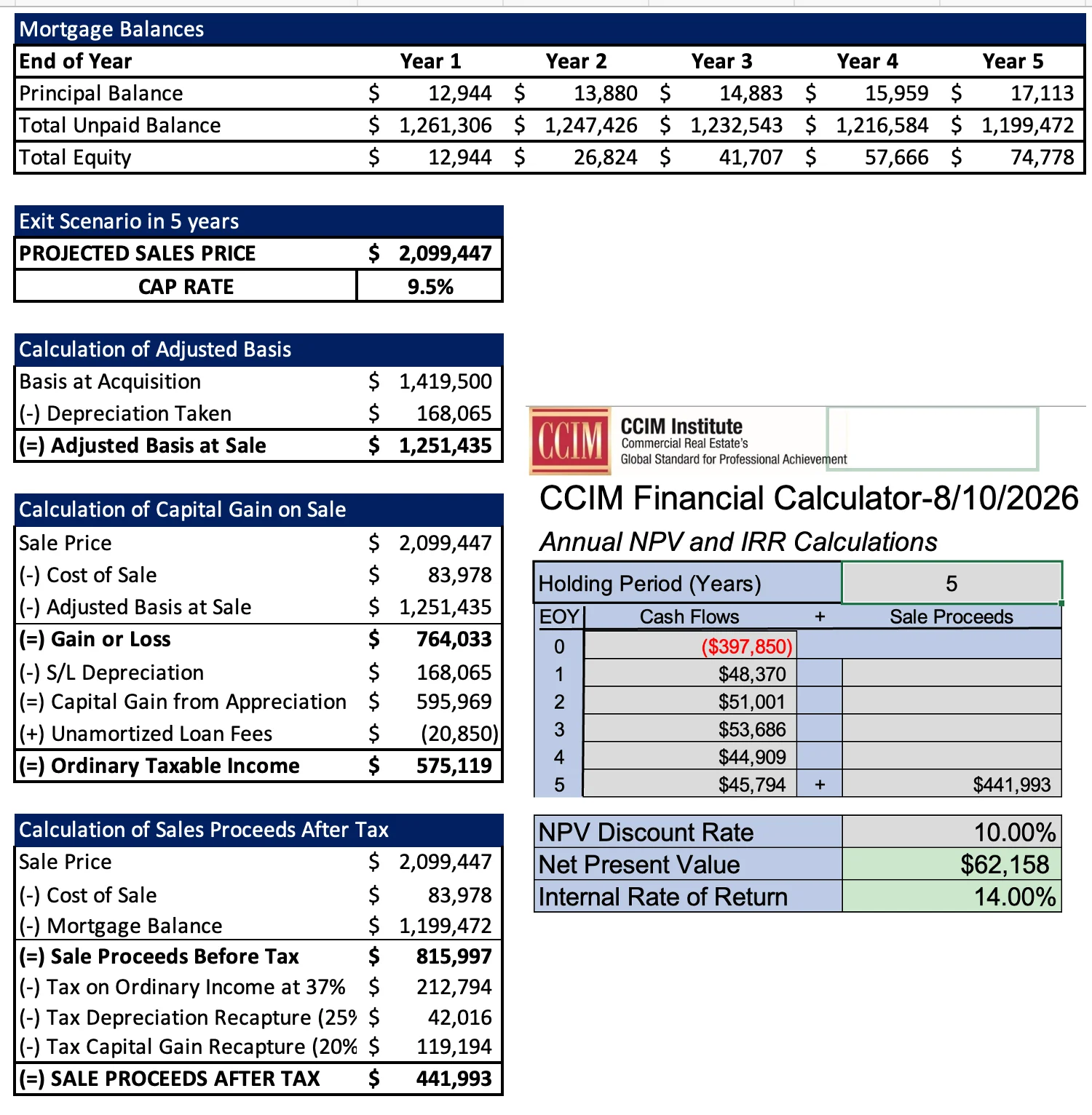
My continued education through CCIM and the Urban Land Institute reflects a commitment to becoming increasingly capable of analysing larger and more complex investments — NOI, cap rates, cash-on-cash return, IRR, debt service, leverage, capital expenditure, value-add strategy and exit.
The goal is not to abandon the individual investor who wants a beachfront rental. It is to grow alongside them. A client may begin with one oceanfront condo, then another, and eventually want to participate in multifamily or hospitality. I want the knowledge to keep serving them as their goals grow.
My vision is to build a highly specialised investment real estate team — one that does not begin by asking what property you would like to buy, but rather:
What are you trying to accomplish with your capital?
Then we determine what kind of investment serves that objective. It may be a beachfront rental. It may be multifamily or hospitality. And sometimes the right decision is to wait.
I walked into Keller Williams while waiting tables and searching for a new direction. Six years later I am a broker, investor and entrepreneur building a business around helping people invest in beachfront vacation rentals and commercial real estate. Much of the foundation underneath the advisor and leader I am becoming was built there.
Education
Urban Land Institute · continuing professional education

I have continued my professional education through the Urban Land Institute to deepen my understanding of real estate beyond the transaction itself.
ULI brings together professionals across investment, development, finance, planning, government and the broader built environment. My education there has helped me understand not only whether a property is a good investment, but how real estate is financed, structured, developed and operated. That knowledge directly influences the way I advise investors today.
A broader understanding of the commercial real estate ecosystem — valuation, underwriting, development, capital structures, financing, risk and the professionals involved throughout a transaction.
It reinforced an important lesson: a property does not exist in isolation. Its performance is influenced by capital, financing, development, market conditions, regulation and the surrounding community.
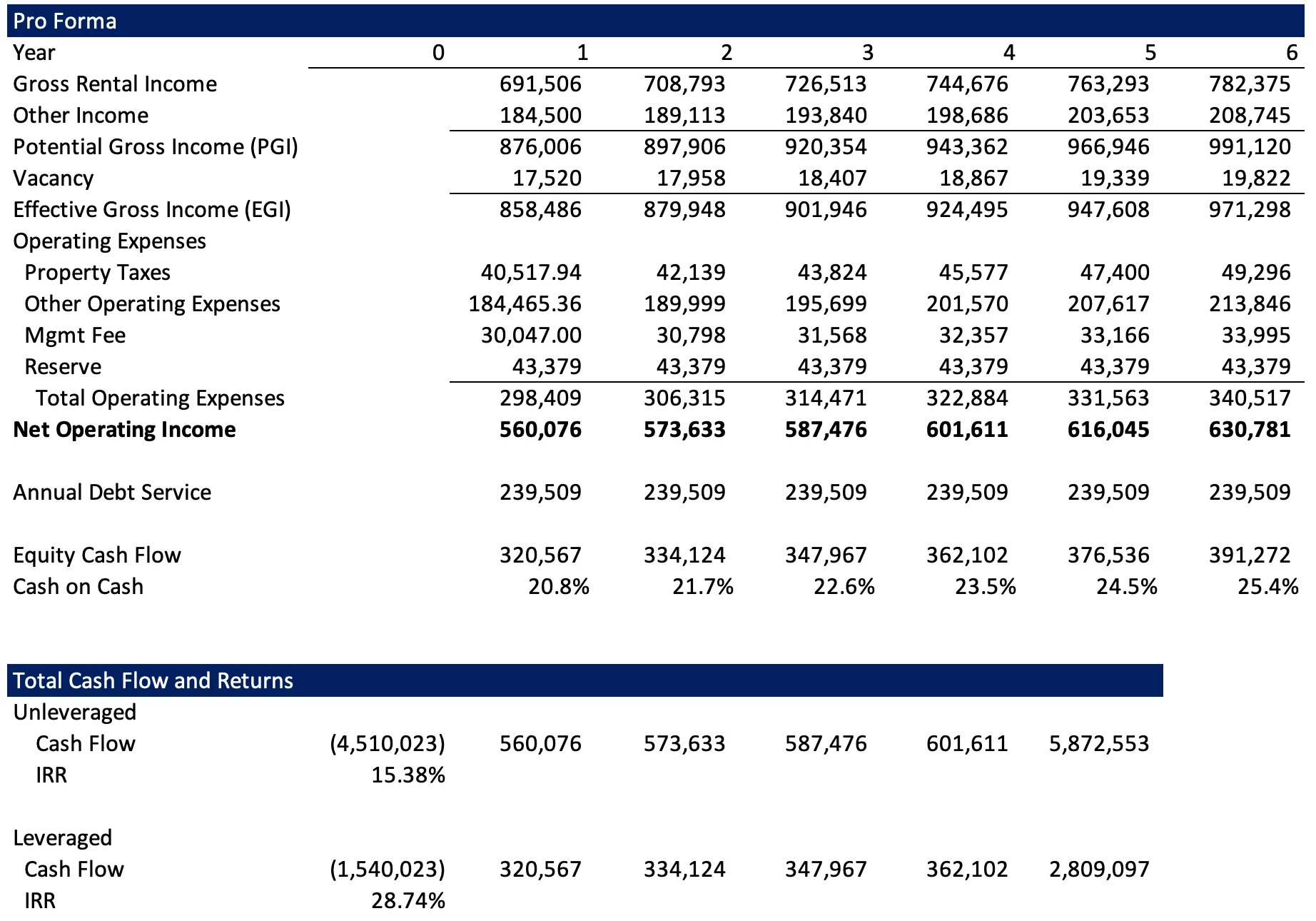
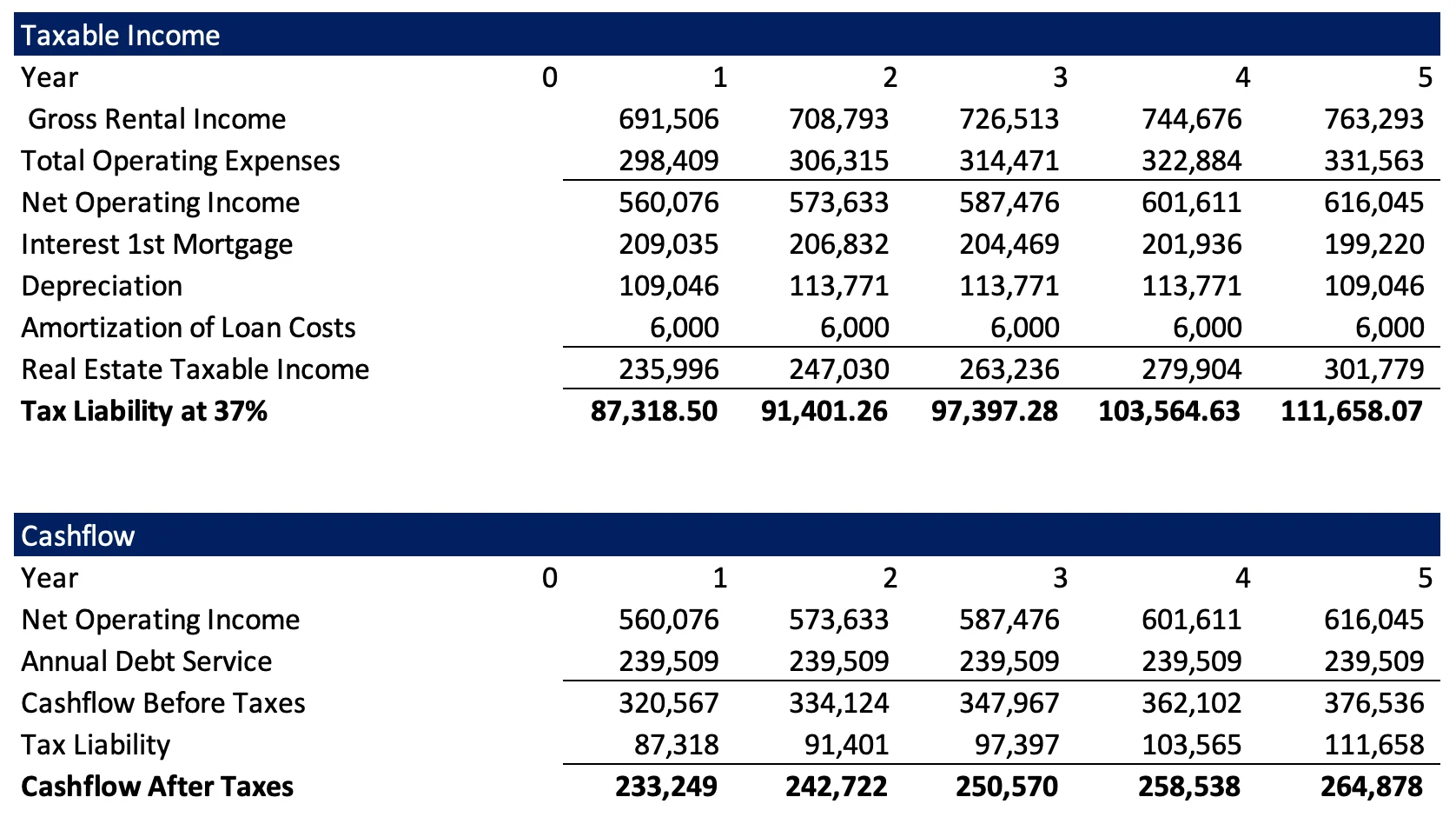
How to build a multifamily investment model from the ground up: sources and uses of funds, debt financing, mortgage amortisation, projected income and expenses, cash-flow analysis, disposition and investment returns.
The question stops being “what does this property cost?” and becomes what will it produce, what will it cost to operate, how should it be financed, and what return can the investor reasonably expect?
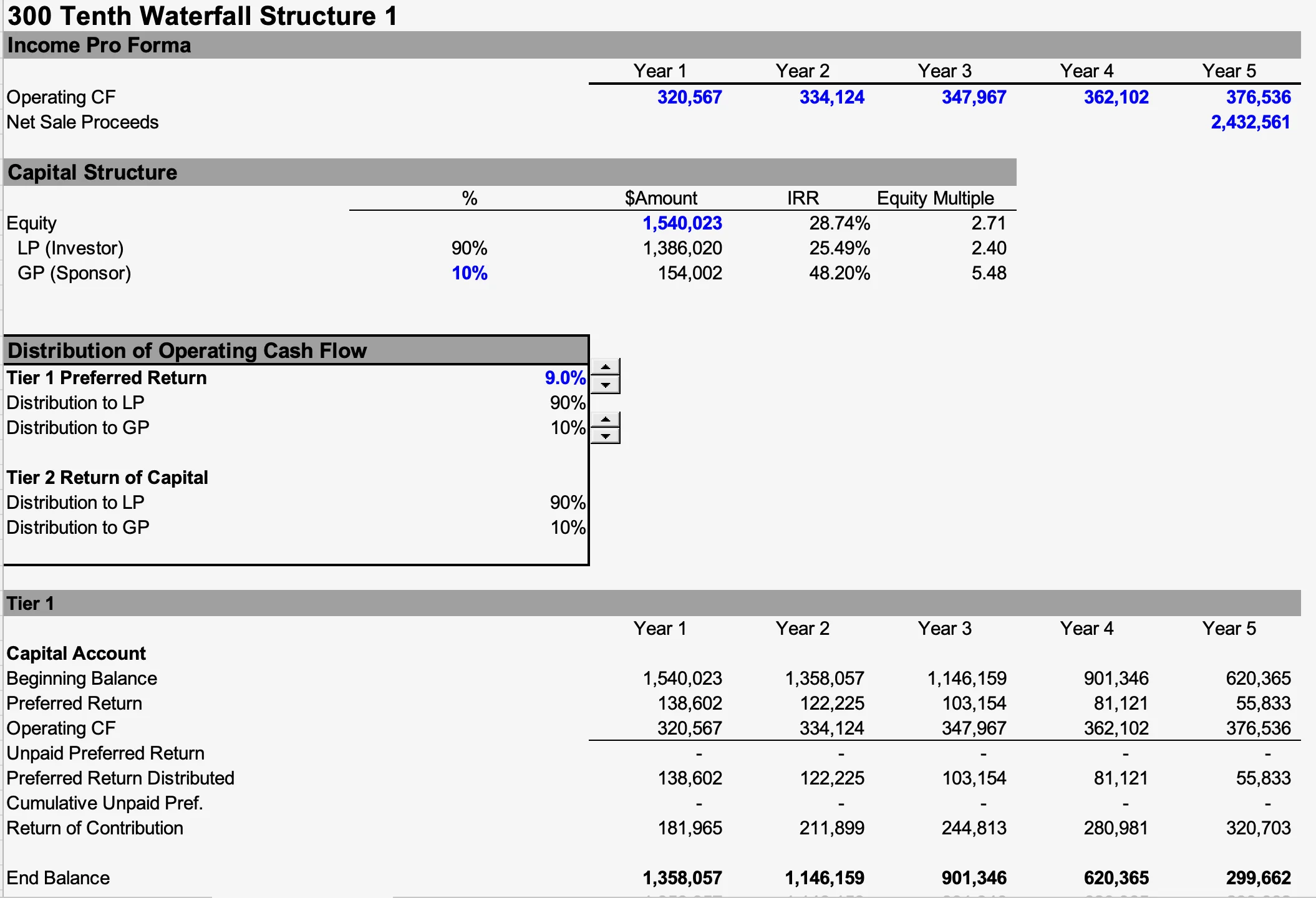
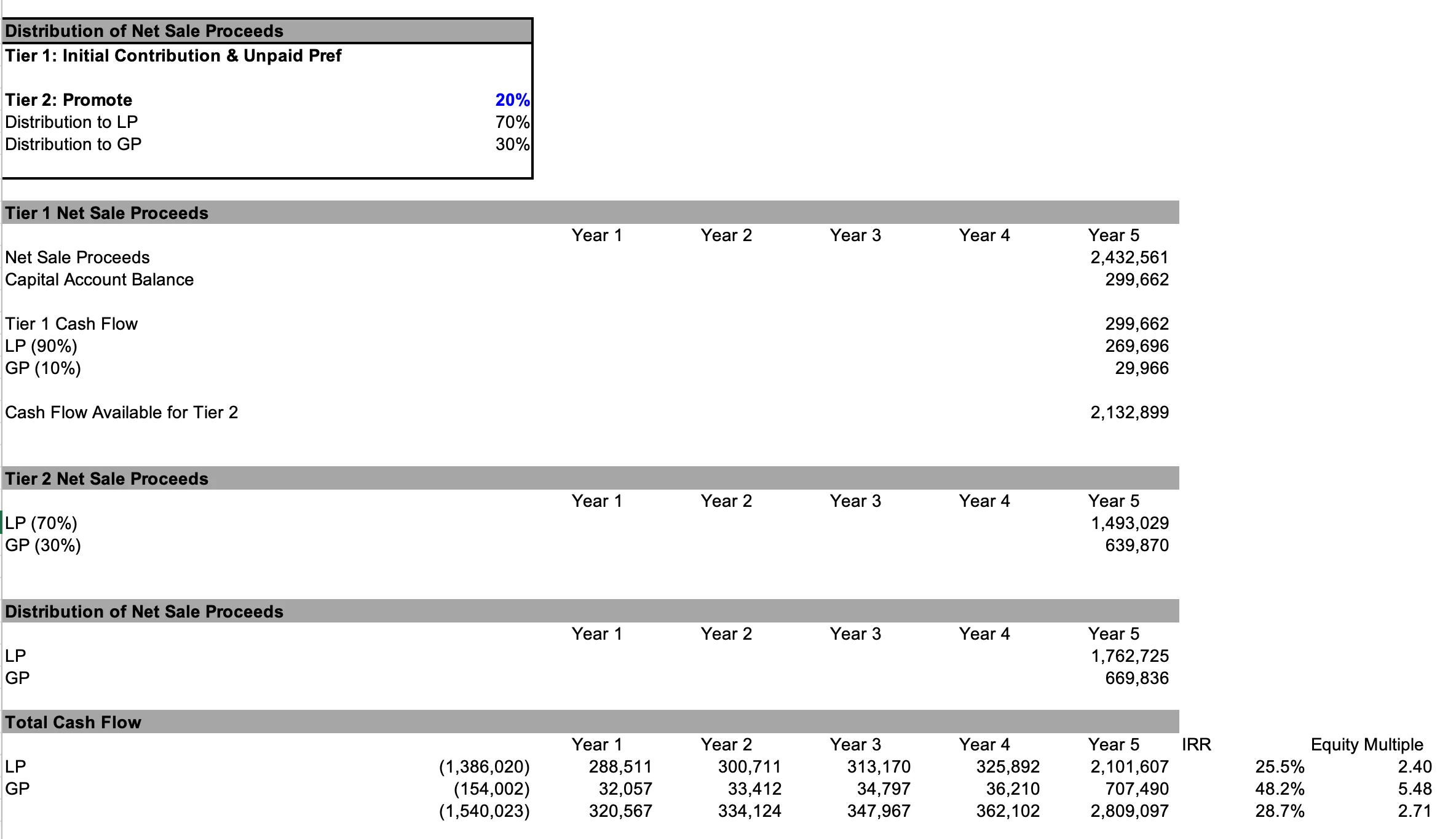
This course moved beyond analysing a transaction for a single investor and taught me how investments can be structured for multiple investors participating in the same opportunity — partnership structures, preferred returns, equity waterfalls, return hurdles, profit splits and the distribution of cash flow between investors with different economic interests.
That changed the way I thought about the size of opportunities I could pursue. Previously much of my work centred on matching a single investor with a single property. Understanding waterfall structures showed me how investors can combine capital to participate in opportunities significantly larger than any one of them would purchase individually.
It expanded my perspective from helping investors buy real estate to understanding how investors can invest together.

The coursework also introduced me to the role of the General Partner. As I identify larger opportunities, my long-term goal is not only to broker transactions but, in the right ones, to participate as a GP — helping identify and underwrite the investment, structure the transaction, assemble the professional team and bring together investors with whom I have already built trusted relationships.
The waterfall education clarified one of the most important responsibilities in that role: how investment cash flow and profits should be distributed fairly, and according to the economic structure the partners agreed to.

I pursued my ULI education while continuing to serve clients, build my real estate business and raise a family. Continuing education is part of the responsibility that comes with advising people about significant investment decisions.
The more sophisticated the transaction becomes, the more important it is to understand the numbers, the capital structure, the risks and the interests of everyone involved. My goal is to keep developing from a broker who can identify a strong investment into an advisor capable of understanding — and eventually helping structure — larger and more sophisticated transactions.
Real estate is more than property. It is the intersection of real estate, business and capital.
ULI has broadened my perspective from analysing individual properties to thinking more deeply about development, capital formation, partnerships and the structure of larger real estate investments.
Education
CCIM Institute · core curriculum completed, working toward the designation

I have completed the core educational curriculum of the CCIM Institute as I continue working toward earning the Certified Commercial Investment Member designation.
The CCIM designation is one of the most respected credentials in commercial investment real estate. Earning it requires more than completing coursework. Candidates must complete advanced investment education, demonstrate qualifying commercial real estate experience through an approved portfolio, and pass the CCIM Comprehensive Examination.
Pursuing CCIM has never been about adding letters after my name. I wanted to become a better investment advisor and develop the same analytical discipline used by experienced commercial professionals.
Cash flow, capitalisation rates, financing, IRR, net present value and investment comparison. I use these concepts when underwriting properties and determining whether an investment actually makes financial sense.
Strengthened my ability to evaluate supply, demand, competition and the economic forces that influence property performance.
Comparing ownership, leasing and investment alternatives — reinforcing the importance of evaluating multiple strategies rather than looking at a property in isolation.
Investment performance, risk, sensitivity analysis, refinancing, capital improvements and disposition strategy.
The curriculum also includes training in negotiations and professional ethics, reinforcing that sophisticated financial analysis must always be paired with responsible representation. I apply this education when analysing income-producing real estate through NOI, cap rates, cash-on-cash return, IRR, debt service, leverage, market fundamentals and long-term investment strategy.
Completing the educational curriculum is only part of becoming a CCIM. Candidates must also demonstrate significant real-world commercial investment experience through a Portfolio of Qualifying Experience before completing the comprehensive examination.
I am continuing to build and document that experience through the investment transactions, underwriting and advisory work I perform for my clients. That requirement matters to me, because the designation is designed to represent both knowledge and practical experience.

I pursued my CCIM education while actively working, building my real estate business and raising a family. There were clients to serve, transactions to close and responsibilities at home — along with nights and weekends spent studying investment analysis, financial modelling and commercial real estate.
Professional growth does not require life to become less demanding. It requires choosing to continue growing in the middle of those demands.
Continuing my education has always been part of becoming a better advisor, businessperson and leader.
Keep learning. Act with integrity. Treat people with respect. Take responsibility for the people who place their trust in you.
Earning the CCIM designation represents more than another professional credential. It represents the level of knowledge, discipline, integrity and professional excellence I want to continue pursuing throughout my career.
Education
Bachelor of Science in Business Administration · The Citadel
I earned my Bachelor of Science in Business Administration from The Citadel, an institution built around developing principled leaders and the core values of Honor, Duty and Respect.
My Citadel education shaped both how I approach business and how I view leadership. Today those principles influence the way I advise investors, evaluate opportunities and handle the responsibility that comes with helping clients make significant financial decisions.
Built my foundation in capital, financing, risk and return. I use those principles when evaluating cash flow, leverage, debt service and investment returns.
Focused on bringing finance, operations, marketing and management together to make better decisions. That approach guides how I evaluate a property as an entire investment, not simply by its purchase price.
Strengthened my understanding of contracts, risk, business relationships and ethical decision-making — principles that are essential in brokerage, negotiations and due diligence.
Provided insight into how businesses attract customers and operate efficiently. That is especially relevant when analysing short-term rental properties, where pricing, positioning, management and guest experience directly affect revenue.
My education taught me to look at real estate not simply as property, but as a business and a capital investment.
Leadership is central to The Citadel experience, and becoming a better leader has been a lifelong goal of mine. The Citadel reinforced my belief that leadership means accepting responsibility, acting with integrity, treating people with respect and being willing to make difficult decisions.
When an investor trusts me with a major financial decision, my responsibility is not simply to close the transaction. It is to analyse the opportunity objectively, communicate the risks, challenge assumptions when necessary and help my client make the best decision possible.
Honor. Duty. Respect. Those values continue to influence how I conduct business and build relationships.
While attending The Citadel I was awarded a scholarship to participate in The Citadel in Washington, D.C. programme, an academic and professional experience combining coursework with internship exposure in the nation’s capital.
The programme provided firsthand exposure to business, government and leadership, and concluded with additional educational experiences in New York City including visits to institutions such as the New York Stock Exchange and West Point.
That opportunity expanded my education beyond the classroom and gave me early exposure to the institutions, leaders and decision-making environments that influence business and our economy.
Today, my Citadel education remains an important foundation for the way I approach business, investment real estate and leadership.